
Homeless and Helpless: The Rohingya Muslims of Rakhine State
By Andrew Buncombe
The Independent, December 5, 2012
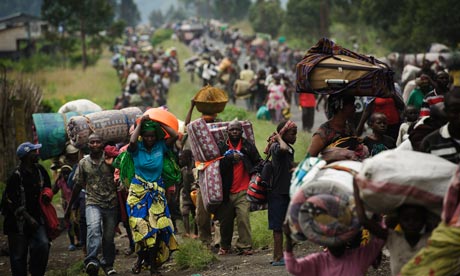
"What difference does a simple name make? For Mohammad Ali, a resident of this town’s last Muslim neighbourhood, a ghetto cut-off by barbed wire and military check-points, it matters to his very core. 'Look here. It asks "race" and then says "Rohingya",' says the 68-year-old, touching his chest with one hand while with the other pointing to a photocopied identity card dating from 1974. 'We have been here for a long time. My father, my grandfather, they were born here. We were Rohingya at the time.' For Shwe Maung, a member of a local political party with links to the Buddhist clergy and which wants to force most Muslims from the state, the matter of a name is equally important. These people are not Rohingya, he angrily insists, but Bengalis. 'They are trying to deceive the world,” he adds. 'They want the world to think they are natives of Rakhine.' Burma's western Rakhine state has for months been gripped by ethnic violence that has left scores dead and driven up to 100,000 people, the overwhelming majority of them Rohingya Muslims, into squalid refugee camps. The Buddhist community claims they are at risk of being 'swallowed up by outsiders' who they say migrated from neighbouring Bangladesh, while the Rohingya, who say they have lived here for centuries, claim they are the victims of nothing less than ethnic cleansing. To glimpse the scale of what has happened while the world largely looked away, take the airport road towards the village of Bumay. From there, a rutted track leads to a series of tented camps in which thousands of Muslims are living, having been driven from their communities. The largest is Borouda, home to 15,000 people. Many here fled here after their properties in Sittwe were attacked in June. Moniyan Khata, a 38-year-old woman wearing a floral print dress, said their neighbourhood had been surrounded by Buddhists and police. 'We had to hide in the lake,' she said, sitting outside her tent. And why were they attacked? 'We don't know,' she replied. 'They want our land, they want our properties. They want us to leave, to leave the country.'









 Posts


